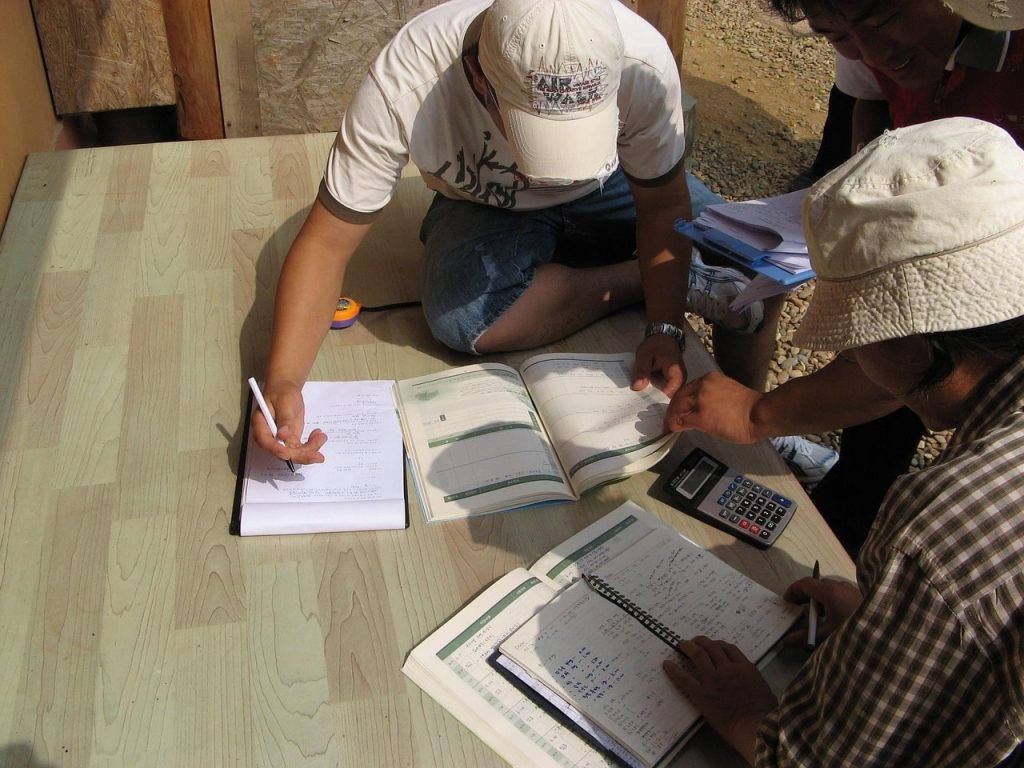

In Africa, small agrifood businesses play a major economic role, accounting for roughly 90% of the business landscape and 40% of the continent’s GDP. Yet they face a serious financing gap estimated at more than $300 billion in 2025.
According to the World Bank, nearly 80% of African SMEs have no access to bank financing, which severely limits their growth. This situation hits micro and small agrifood businesses hardest — they are often rural and informal, and struggle to obtain the credit they need to invest in their operations.
This article is aimed at managers and owners of small and micro agrifood businesses in Africa. Its goal is to give you concrete, up-to-date information on how to access bank loans to finance your agricultural projects — whether you want to scale up production, process your products, improve storage or develop export channels.
You will also find a comparison with informal financing methods (tontines, local lenders, customer advances), an overview of public support mechanisms and guarantees that can ease your borrowing, and real examples of small African agrifood businesses that obtained credit to grow.
Here is what this article covers:
- Scaling up production, processing, storage or exports: how bank loans can strengthen your agribusiness
- Bank credit vs tontines and informal loans: advantages, limits and which financing to choose
- Public support and state guarantees: using public funds and partnerships to secure your loan
- Financing your equipment (machinery, cold chain, packaging) through bank loans
- Building a strong application: cash flow, contracts, traceability… what banks actually look at
- Real examples of African agribusinesses that obtained bank loans
How bank loans can strengthen your agribusiness
For a micro agricultural business, accessing a bank loan can be a decisive growth driver. Credit allows you to invest in better-quality inputs (improved seeds, fertilisers), purchase equipment to mechanise production (tractors, irrigation pumps) or build storage and cold chain infrastructure.
Without financing, many small producers remain trapped in a low-productivity cycle: in Africa, only 2% of farmers are estimated to have access to formal credit. With no means to invest, yields stagnate and post-harvest losses are enormous. For instance, nearly 40% of Africa’s grain is lost every year after harvest due to inadequate storage — a shortfall of more than $4 billion that keeps many farming families in poverty.
A bank loan gives you the means to increase your output and income. Research shows that access to credit has a significant positive effect on farm productivity and profitability. In practice, a well-used loan can mean cultivating a larger area, improving yields or processing your products to sell at a higher price.
For example, financing a small processing unit (mini rice mill, oil press, dryer) adds value to your harvest and opens new markets. Similarly, building a warehouse with a loan lets you store your production after harvest and sell it at the right moment, rather than offloading it at low prices during peak season. According to experts, investing in good storage facilities can cut post-harvest losses by 30 to 40%, which translates directly into higher sales.
Credit can also support your access to export markets. A working-capital loan helps you buy enough raw materials to fulfil a large export contract. It can also cover the cost of quality certification (health standards, internationally compliant packaging) that is essential for selling abroad.
In short, a well-targeted bank loan lets you expand your production capacity, add value through processing, cut losses and reach new markets — both domestic and international.
Key takeaway: A well-invested bank loan can transform a small farm operation. It provides the means to buy agricultural equipment, improve yields and store or process harvests to sell at better prices. Despite the challenges of accessing credit, agricultural businesses that manage to borrow generally see meaningful gains in productivity and income.
Bank credit vs tontines and informal loans: advantages, limits and which financing to choose
Faced with the difficulty of obtaining a bank loan, many African agrifood entrepreneurs turn to informal financing. Tontines — rotating community savings groups — are widespread and provide quick access to small sums, often at no direct monetary cost.
Informal lenders (local moneylenders) and customer advances (where a buyer pays upfront against a future harvest or order) also fill the gap left by banks. In practice, since banks finance very few small SMEs, these alternative channels carry the bulk of the financing.
According to the SME Africa Forum, barely 20% of African SMEs’ financing needs are met by banks, with the remaining 80% covered by self-financing or informal networks. Tontines and other community systems therefore play a crucial role for many farmers and traders.
That said, informal financing has real limits. Tontines mobilise modest amounts — enough to buy a few inputs or small equipment, but rarely enough to finance a tractor or a warehouse. They also require strict discipline (regular contributions) and rotating access: if your need is not urgent, a tontine may work, but otherwise you will have to wait your turn.
Private lenders often charge very high interest rates — sometimes 10% per month or more — which can trap borrowers in a debt spiral that is hard to escape. Customer advances only work if you already have a trusted buyer, and they commit you to delivering the product later, sometimes at below-market prices, which can eat into your margins.
Bank credit, despite its strict requirements, has clear advantages. First, it provides far larger amounts over longer periods (several million CFA francs over three to five years or more), making it essential for financing costly assets (machinery, vehicles, infrastructure).
Second, the annual interest rate on a bank loan is generally lower than that of an informal lender. For example, an SME loan in West Africa typically carries an annual rate of around 10% to 15%, whereas the equivalent informal debt often works out to more than 100% per year once all fees and implicit interest are counted.
Finally, working with a bank helps you formalise your business: by repaying your loan, you build a credit history that can make future, larger borrowing easier — the bank will trust you more.
| Criterion | Bank loan | Tontine / informal |
|---|---|---|
| Amount available | High (millions to tens of millions of FCFA depending on guarantees) | Low to moderate (a few thousand to a few hundred thousand FCFA) |
| Time to obtain | Long (formal application, several weeks to months) | Short (quick decision, a few days if funds are available) |
| Cost / interest | Annual interest typically 8% to 18% (depending on country, guarantee and term) | Tontine: low implicit cost (no interest, but regular contributions required). Informal lender: very high cost (high cumulative monthly interest) |
| Access conditions | Formal application required (registration, accounts, guarantees usually expected) | Based on trust and relationships (group membership, personal reputation, moral guarantees) |
| Advantages | Large amounts, long terms, can finance major investments, builds a credit history | Simple, fast, no red tape, accessible even to the unbanked or those without physical collateral |
| Drawbacks | Complex process, strict conditions, physical collateral often required, often refused to small informal businesses | Limited amounts, sometimes very high costs (informal lenders), cannot finance significant expansion, no benefit to credit rating |
Ultimately, the right financing depends on your needs and situation. If you need a small sum quickly to get through a growing season or cover a cash shortfall, a tontine or an advance from a loyal customer may be enough.
For a step change — buying equipment, constructing a facility, expanding your operation — a bank loan is usually the only viable route. Combining approaches makes sense: start with microcredit or tontines to build initial capital and a track record, then move to larger bank loans once your business has grown and become more formalised.
Key takeaway: Tontines and other informal mechanisms are valuable for small sums and urgent needs, but they can only partly fund business growth. Bank loans offer more capital and long-term security at generally lower cost, but require a solid application. Many micro-entrepreneurs start with informal financing to get off the ground, then turn to banks for more ambitious investments.
Public support and state guarantees: using public funds and partnerships to secure your loan
Aware that commercial banks lend little to small agricultural businesses deemed “high risk”, governments and development finance institutions have rolled out a growing number of support programmes. These public initiatives aim to share risk with banks and improve access to credit in the agrifood sector.
For example, the Senegalese government announced in 2023 an ambitious $1.6 billion plan to finance local SMEs, with a particular focus on agriculture and agro-industry. This type of public fund can subsidise credit lines to banks or establish national guarantee funds.
A partial guarantee fund covers a percentage of the loan granted by the bank: if the borrower defaults, the fund compensates the bank for part of its loss. The bank is therefore encouraged to lend to businesses it would otherwise have considered too risky.
In West Africa, notable examples include the GARI Fund (Guarantee of Private Investments in West Africa), created with support from BOAD and international partners, and the African Guarantee Fund (AGF), a pan-African SME guarantee mechanism. These structures have already helped finance thousands of businesses. The AGF, for instance, has de-risked more than 3,000 African agri-SMEs by facilitating around $350 million in loans to the agricultural sector through partner banks.
State-bank partnerships are also multiplying in the form of dedicated credit lines. The African Development Bank (AfDB), through programmes such as ENABLE Youth and its ADF windows, provides local banks with concessional funding earmarked for agro-entrepreneurs — particularly young ones.
The European Investment Bank (EIB) and the European Union launched an envelope of tens of millions of euros in Côte d’Ivoire in 2025 (the Team Europe initiative) specifically for agrifood cooperatives and SMEs, combining subsidised loans with technical assistance. These international funds typically flow through national banks or microfinance institutions, which then on-lend to final beneficiaries on more flexible terms.
Bilateral donors (development agencies) and public-private programmes also matter. The Agence Française de Développement, through its subsidiary Proparco, invests heavily in African food security: in 2024, Proparco committed €191 million to support agricultural value chains. It also granted a €2 million loan to NutriK, an SME in Nigeria’s nutrition sector, to help it expand production.
Other institutions, such as BOAD (West African Development Bank), allocate refinancing lines to national banks to encourage agricultural lending. Innovative models such as warrantage (a system where stored harvest serves as collateral for a loan) also receive support from NGOs and public bodies to give small producers easier access to seasonal credit.
Key takeaway: Do not face your bank alone — find out what support mechanisms are available in your country. Public guarantee funds, AfDB or World Bank programmes, credit lines dedicated to agricultural SMEs: these tools can significantly improve your chances of securing a loan. When presenting your project to the bank, explicitly mention any support programme or guarantee scheme you are eligible for — it will reassure the lender by reducing its risk.
Financing your equipment (machinery, cold chain, packaging) through bank loans
Moving from artisanal production to a more industrial scale usually requires significant investment in equipment. Tractors, power tillers, shellers, processing units, cold rooms, refrigerated vans, packaging machines — all costly but essential for improving the quality and volume of your agrifood output.
Bank investment loans are designed precisely to finance the acquisition of these assets, with generally longer repayment periods (three, five or seven years) to spread the cost over time. These loans can often include a grace period (a few months without repayment at the start) while the equipment begins to generate returns.
Convincing a bank to finance agricultural equipment is not always straightforward, however. Banks view equipment purchases for small farms as risky — risk of sub-optimal use, insufficient maintenance or difficulty selling the asset if repossession is needed.
To address this, alternatives such as leasing (crédit-bail) have developed. Leasing lets you use a machine immediately by renting it with an option to purchase at the end of the contract, without having to pay the full price upfront.
In West Africa, Locafrique in Senegal is a pioneer in this field, having financed tractors and agro-industrial facilities through leasing for decades. In 2022, Locafrique signed a 13 billion FCFA ($24 million) partnership with a USAID programme to provide agricultural equipment on lease to 440 Senegalese micro-entrepreneurs.
This innovative scheme worked because the financed equipment itself serves as collateral: if payments stop, the equipment is repossessed, reducing lender risk. As a result, hundreds of small farmers gained access to tractors, motorised pumps and shellers they could never have purchased outright — at a time when agricultural loans accounted for less than 5% of the national banking sector’s activity.
If leasing is unavailable or unsuitable, a conventional loan can still finance your machinery. To maximise your chances, make the case for the investment’s viability: use figures to show how the equipment will increase your turnover or reduce your costs.
For example, installing a cold room will keep your fruits and vegetables fresh longer and cut losses; a delivery truck will open access to new urban markets; a packaging machine will extend the shelf life and raise the unit selling price of your processed products.
It can help to present the bank with firm contracts or purchase orders linked to the equipment (for example, a wholesale buyer’s contract if you are installing a mango drying unit). Some banks offer supplier credit or “contract-backed loans” that are repaid directly from the cash flows generated by the financed project.
Also explore public equipment support: many countries subsidise agricultural machinery purchases (through tax exemptions, purchase subsidies, etc.) or partner with banks to offer subsidised rates on equipment loans.
In Côte d’Ivoire, for instance, the “agrisistence” mechanism allowed pineapple cooperatives to obtain mini cold rooms on lease through Alios Finance, with a three-year repayment schedule aligned to harvest cycles.
In Benin and Togo, pilot warrantage projects equipped farmers’ groups with village silos: the silo serves as collateral for a loan, which itself finances the silo purchase and the working capital to store the harvest. These schemes combining equipment and secured credit are multiplying and may offer inspiration depending on your sector.
Key takeaway: Financing heavy equipment is a key challenge in modernising your agrifood business. Bank investment loans or leasing give access to machinery that would otherwise be out of reach. Prepare a solid plan showing the economic impact of the equipment on your operations. Shop around among banks and leasing companies, and use public support mechanisms (subsidies, guarantees) to reduce the cost and perceived risk of your investment.
Building a strong application: cash flow, contracts, traceability… what banks actually look at
Getting a “yes” from the bank depends largely on the quality of your credit application. Beyond physical collateral, lenders pay close attention to several criteria that reflect the health and reliability of your business. Here are the main elements your bank will examine closely:
- Cash flow: The bank wants to confirm that your business generates enough revenue to repay the loan. It will analyse your sales, expenses and profit margin. Regular, growing cash flows are a good sign. If you have clients who pay on a recurring basis or contracts that guarantee future income, say so. A practical tip: prepare a projected cash flow plan showing the impact of the loan (for example, higher output and sales) and how you will meet monthly repayments.
- Existing contracts and markets: An agricultural project backed by a firm purchase contract is very reassuring for a bank. For example, if you have a contract to supply 10 tonnes of dried mangoes to an exporter, or an agreement with a supermarket to take your dairy output, highlight it. Banks know that a contract secures future revenue — they can sometimes even arrange to be paid directly by the buyer. Being part of a structured value chain (cacao, cajou or cotton sector with an organised sales system) is also a plus, as traceability and sales regularity are stronger there.
- Traceability and management quality: This covers your business’s ability to track its stocks, production and sales effectively, and to keep transparent accounts. An agrifood business with traceability records (a harvest register, quality test results, health certificates, for example) demonstrates good organisation. The bank will also appreciate well-kept accounts, even simple ones. Present your financial statements or, if you do not have formal ones, at least a summary of income and expenses over the past 12 months. This proves the seriousness of your management. If you use a management system (software, mobile app) for your operations, mention it — it is a positive signal.
- Management team and governance: When lending to a small business, the bank is partly backing the individual entrepreneur. Your experience in the field (ten years running this farm, for example), your past achievements and your local reputation (are you known as reliable?) all carry weight.
- Highlight your technical skills (agricultural training, internships) and your support network (a government agency coach, an incubator mentor, etc.). If you are structured as a company, however small, underline the clarity of your governance: the existence of a business partner, division of roles, and so on. This reassures the bank that the business does not depend entirely on one person with no checks in place.
- Collateral and own contribution: The bank will of course examine the physical collateral you can offer (land title, mortgage on a building, pledge on a machine or stock, guarantee from a creditworthy third party). In West Africa, banks often require collateral covering 100% of the loan or more, which is a major barrier for small entrepreneurs with no land title.
- If you lack sufficient collateral, do not give up: lean on the other elements above. A growing number of banks are beginning to lend on the basis of cash flow and orders rather than physical guarantees.
- If the bank asks for a personal contribution (for example, funding 10% of the project yourself), show that you are ready to do so — it demonstrates commitment and reduces the lender’s risk.
Covering each of these points carefully will maximise your chances of convincing the bank. A simple but well-costed business plan showing how the loan will improve your profitability is a major asset.
Back it up with concrete examples (pending orders, identified customers, expected costs and returns). Be transparent: do not hide past difficulties (for instance, an unexpected weather event last year), but explain how you dealt with them or how the loan will help you avoid similar problems. Trust is built through honest, professional dialogue with your banker.
Key takeaway: For a bank, a small agro-entrepreneur becomes “bankable” when they can demonstrate stable revenue generation, the ability to fulfil contracts and sound business management. Back your case with figures, documents and references. A solid agricultural project supported by sales contracts and rigorous management can secure a loan even with limited collateral — especially where risk-sharing mechanisms (guarantee funds, etc.) are in place.
Real examples of African agribusinesses that obtained bank loans
To close, a few practical cases illustrate how small agrifood businesses have successfully obtained financing and put it to work. Here is a selection of recent examples from across Africa:
- Senegal – onion storage: Wakeur Cheikh Abdou Karim Agro, a market garden operation near Thiès, obtained a 30 million FCFA loan from COFINA Sénégal (a mesofinance institution) to build a 1,000-tonne cold storage facility. With this financing, the business now stores hundreds of tonnes of onions instead of selling everything at peak season, boosting its annual revenue by 30% and creating several local jobs.
- Nigeria – nutritional processing: NutriK, a Nigerian SME, produces food supplements based on local cereals. In 2024, it secured a €2 million loan from Proparco (AFD’s subsidiary) to expand its manufacturing plant. This financing, partially guaranteed by a public fund, allowed the company to acquire new production and packaging lines. NutriK now supplies nutrition programmes in several Nigerian states and is exploring exports to West Africa.
- Côte d’Ivoire – cajou exports: In Côte d’Ivoire, the cajou sector involves many export SMEs. Some local banks, such as Société Ivoirienne de Banque (SIB) and NSIA Banque, have started financing these SMEs when they present signed purchase contracts with foreign buyers.
- For example, the COOP-CA Zanzan cooperative obtained a 200 million FCFA seasonal loan by showing a firm contract to export 500 tonnes of cajou to Vietnam. The bank secured the loan by taking a pledge on the export stock and using the GARI Fund’s partial guarantee. The financing enabled the cooperative to pay producers directly at a better price and increase its export volume by 20% over the season.
- Burkina Faso – women’s shea processing: In Burkina Faso, many female micro-enterprises process shea nuts into shea butter. The microfinance institution PAMF (Première Agence de Microfinance) set up a dedicated programme for these women: microloans of 200,000 to 500,000 FCFA granted to purchase nuts, improved cookstoves and packaging equipment. In Koudougou, the Tegawende association of 50 women received a 300,000 FCFA loan with no physical collateral, repayable after the season. With this support, they increased their output by 40% and now supply formal markets (local cosmetics shops), meaningfully improving their incomes.
These examples show that with the right preparation — and often some support — small businesses can access credit. Whether through a commercial bank, a microfinance institution or a development partner, innovative African agro-entrepreneurs are increasingly able to raise funds to grow.
The key is knowing where to go, presenting strong projects and making full use of the support mechanisms available. Your agrifood business, however modest at the start, can make the same leap towards structured financing and open a new phase of growth.
In sum, accessing a bank loan takes upfront work — formalisation, project justification, collateral — but the rewards are worth it: higher productivity, better income and a more sustainable business. By applying the advice and drawing on the examples above, you will put yourself in the best possible position to convince a lender and turn your agricultural ambitions into reality.
FAQ – Frequently asked questions
What collateral do banks require for an agricultural loan?
Banks typically require “real” collateral to grant an agricultural loan. This can include a mortgage on land or a building, a pledge on equipment (tractor, vehicle) or on a stock of goods, or a guarantee from a creditworthy individual. In practice, many small farmers have no land title to offer, which complicates access to credit. If you lack sufficient physical collateral, you can compensate by presenting purchase contracts, a solid financial track record, or by approaching a guarantee fund that will cover part of the risk on your behalf. A growing number of banks are willing to reduce collateral requirements when the project shows assured revenue streams. Do not hesitate to discuss alternatives (moral guarantee, public guarantee) with your banker.
Can you get a bank loan without an initial personal contribution?
Yes, some loans can be granted without a personal contribution, but this is less common. Banks like to see borrowers contribute to financing their own project (usually 10 to 20% of the amount) as proof of commitment and shared risk. That said, for very small businesses or high-impact social projects, a contribution is sometimes not required — especially when a third party provides a guarantee. For example, in a credit programme backed by a state guarantee or an NGO, the bank may finance 100% of the need. If you genuinely cannot bring in equity, make the most of your other strengths (secured contracts, high project profitability, etc.). This is assessed case by case according to each bank’s policy.
What is the interest rate on an agricultural bank loan in Africa?
Interest rates on bank loans to small agricultural businesses vary by country and institution, but they are often relatively high due to perceived risk. In the UEMOA zone (West Africa), annual rates of around 8% to 12% are common for well-established borrowers, and can reach 15–18% for smaller, higher-risk loans. In Central Africa, rates are similar or slightly higher. These rates include the bank’s margin and the country risk premium. By comparison, a loan through a microfinance institution often carries an even higher effective rate (frequently above 20% annually) due to monitoring costs. Negotiating with your commercial bank is worth it if you can. Some public programmes or special credit lines also offer subsidised (reduced) rates for agriculture — it is worth asking about these.
Can an informal micro-enterprise borrow from a bank?
Borrowing from a conventional bank as an unregistered business is very difficult. Banks generally require administrative documents (business registration, financial statements) that informal operators cannot provide. If this is your situation, two approaches are worth considering: first, work towards progressive formalisation (register as a sole trader or cooperative, open a professional bank account, etc.) — this will open the door to credit in the medium term. Second, in the meantime, you can turn to microfinance institutions or local savings cooperatives, which are willing to lend to micro-entrepreneurs even without formal registration. These institutions rely more on personal knowledge and solidarity guarantees than on official documents. In short, purely informal businesses will find credit mainly outside the traditional banking circuit. Even minimal formalisation is recommended as a stepping stone towards bank financing.
How can I improve my chances of getting an agricultural loan?
Start by getting your financial records in order: keep up-to-date accounts, even simple ones (an income-and-expense notebook, bank statements), to demonstrate the health of your business. Prepare a business plan or at least a short project note explaining why you need the loan and how you will repay it (for example, “buying 10 dairy cows will increase my output by 500 litres per month, generating X CFA in additional sales”). Then, bring collateral where possible — physical assets (land, building) or the guarantee of a reliable partner. Highlight your strengths: agricultural training you have completed, customers already committed to buying your production, membership of a cooperative, anything that shows your project is serious and secure. Finally, do not hesitate to seek support from advisory structures (public agencies, NGOs, incubators): they can help you put the application together and sometimes point you towards partner banks more inclined to finance your profile.