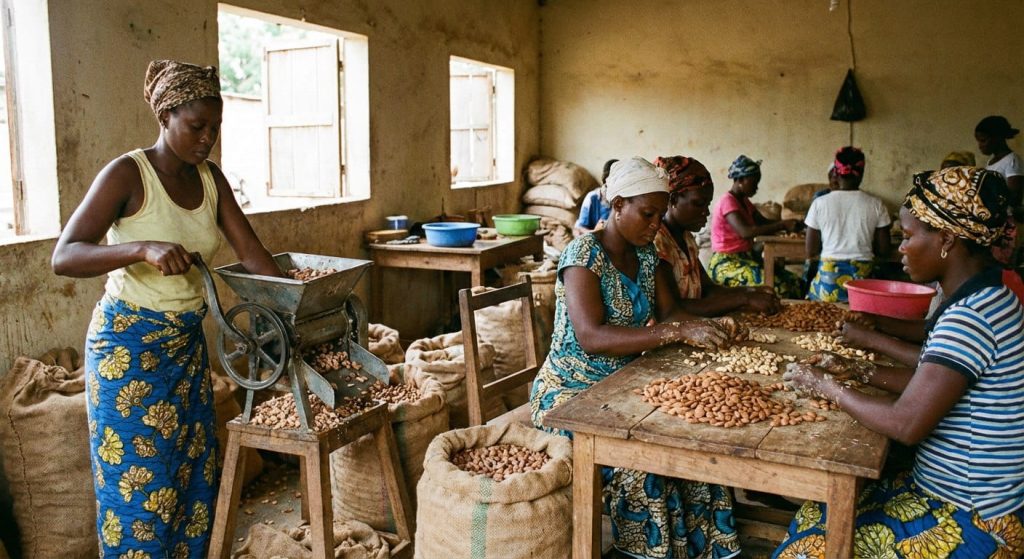
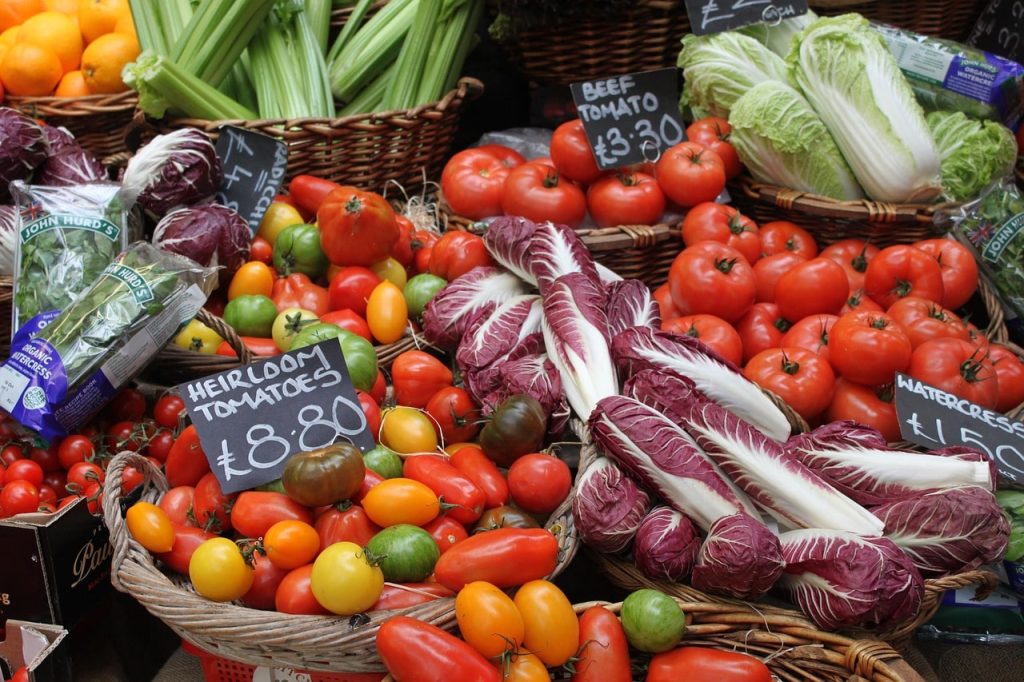
Every year, a huge share of Africa’s harvests is lost before reaching the consumer. On average, around 37% of Africa’s food production is lost after harvest, equivalent to US$48 billion wasted. Fruits and vegetables are among the hardest hit, with losses reaching 50% of the harvest in some countries.
Given this reality, modern post-harvest solutions (cold chains, climate-controlled warehouses) remain financially out of reach for most small African agricultural businesses. Fortunately, there are low-tech alternatives — affordable, simple, and field-tested tools — that allow agricultural products to be preserved for longer.
This article gives SME leaders and African micro-entrepreneurs an overview of these low-tech solutions to reduce post-harvest losses, with a focus on concrete benefits and real-world feedback rather than purely technical detail.
We will cover methods such as
Examples from both West and East Africa (Burkina Faso, Niger, Côte d’Ivoire, Sénégal, Kenya, Uganda, Nigeria…) will show how these innovations can make all the difference.
You will also find a comparison table of solutions with their cost, impact, and ease of implementation.
Solar drying and local processing
Solar drying of fruits and vegetables is one of the oldest preservation techniques — and remains a highly relevant solution for reducing losses today. By removing moisture from produce, it prevents mould growth and extends shelf life by several months.
In Burkina Faso, for example, during the short mango season (barely two months), a large share of the harvest used to rot for lack of outlets, causing post-harvest losses of over 50% in some years. The rollout of dryers (solar or hybrid) made it possible to turn this surplus into dried mangoes for export, preserved year-round. Local drying units — sometimes shared among producers — emerged with the support of cooperation programmes.
The benefits of solar drying are tangible. On one hand, 30% to 50% of production that would otherwise be lost can be saved through drying rather than discarding. On the other hand, local processing into dried products adds value and opens new markets.
Case in point: in Burkina Faso, the company Mango-So started in 2001 with a few tonnes of dried mangoes, and today exports 300 tonnes per year to Europe (90% of its output).

This SME employs 20 permanent staff and nearly 500 seasonal workers (mainly women) for mango and coconut processing. Its success rests on appropriate technology (semi-industrial tunnel dryers) and the technical support it received — quality management training, organic certification assistance, and more — through international aid programmes.
On a smaller scale, in Niger, a local inventor developed the “Sahel solar dryer“: a large 10 m² drying unit powered by solar panels, capable of rapidly dehydrating fruits and vegetables in rural areas. This award-winning dryer is currently being rolled out and could be adopted by many Nigerien farms and cooperatives.
For agrifood SMEs, investing in solar or hybrid dryers offers an attractive return on investment. The cost of a basic artisanal dryer can start at a few hundred euros (there are kits available for around €230 that dry 3 kg of fruit in 6–8 hours), while larger models costing a few thousand euros can process tens of kilos per day.
NGOs and public partners sometimes offer financing or subsidies to purchase this type of equipment. In Bénin and Sénégal, for instance, certain development projects have provided communal dryers to women’s processing groups. Solar drying is a solution accessible to micro-entrepreneurs (a small workshop can start with a simple locally-built dryer) as well as structured SMEs targeting export. The key is to share usage wherever possible — for example through a cooperative — in order to make the equipment profitable across a greater volume of processed goods.
Low-cost cold chain
When drying or processing is not an option (for products intended for sale fresh), access to refrigeration becomes critical. Without it, deterioration is rapid: in Kenya, for example, up to 50% of horticultural fruits and vegetables are lost between harvest and sale — a rate two to three times higher than in developed countries. Yet conventional cold rooms are expensive and require reliable electricity. This is where low-cost innovations such as solar cold rooms and CoolBot systems come in.
Solar cold rooms are insulated containers or rooms fitted with photovoltaic panels and batteries, keeping produce cool without any connection to the electricity grid. In Nigeria, the startup ColdHubs has been deploying such solar cold rooms in markets and production areas since 2015. The impact is striking: shelf life for perishable goods extended from 2 days to around 21 days thanks to these mini cold stores.
By extending the “life” of fruits and vegetables in this way, ColdHubs estimates it reduces post-harvest losses by 80% for its users. In concrete terms, the 54 ColdHubs stations operating in 2020 prevented the loss of 42,000 tonnes of food and enabled more than 5,000 smallholder farmers and traders to double their monthly income (from $60 to $120 on average).
The business model is designed for micro-enterprises: no machine to purchase, just an on-demand storage service (around €0.25 per crate stored per day) in locally managed hubs. This concept of “shared solar refrigeration” is spreading to other countries — solar communal cold rooms can be found in Kenya, Côte d’Ivoire, and Burkina Faso (supported by UNDP in 2023 for women market gardeners’ groups), among others.
Another clever option is the CoolBot. This small electronic device (around $300) turns a standard domestic air conditioner into a temperature regulator for an insulated storage room. Rather than buying an expensive refrigeration unit, you can build a well-insulated room (or use an old container), install a standard air conditioner (a few hundred dollars), and connect the CoolBot to bring the temperature down to around 10 °C. Tests conducted in Kenya by the University of Nairobi showed that this DIY solution works and costs far less than a conventional cold room — savings of up to 72% on the initial cost and 40% on electricity consumption, according to its designers.
Here too, the impact is measured in losses avoided: on pilot farms, producers were able to keep their mangoes, tomatoes, or avocados for several extra weeks, resulting in a dramatic drop in spoilage rates. Ron Khosla, the inventor of the CoolBot, reports that some users have seen their turnover double or quadruple after adopting such a DIY cold room — proof that “good post-harvest storage changes everything.”
For a small business owner, how do you actually access these low-cost cold solutions? Several routes exist: join a collective approach (for example a local market equipped with a ColdHub, or a shared cooperative warehouse), apply to available support programmes (some public subsidies or international donor grants target post-harvest equipment — certain West African governments, for instance, partially subsidise cold room purchases), or innovate at small scale (a CoolBot + air conditioner + insulated room, all for under €1,000, can be financed through micro-credit and paid back within one or two seasons).
The key principle: don’t work in isolation. Setting up a shared refrigeration solution among several producers or SMEs in the same area is usually more viable than each going it alone. Models for renting solar refrigerated units are also beginning to emerge, removing the need for any upfront investment.
Finally, very simple evaporative cooling solutions should not be overlooked — wet charcoal cool rooms, clay pot “zeer” coolers, and similar devices. Even if they don’t reach 10 °C, they can lower storage temperatures by 5–8 °C and extend the shelf life of fresh produce by a few days — a worthwhile gain at near-zero cost for isolated micro-entrepreneurs.
Appropriate packaging and transport
A significant share of post-harvest losses stems from physical damage to produce during transport or initial storage. Simple adjustments to packaging and transport can nonetheless cut these losses sharply.
The main lesson from the field: avoid inappropriate bags and containers for transporting fresh fruits and vegetables. Across many African countries, it is still common practice to fill large bags (jute or woven plastic) with produce such as tomatoes, mangoes, and citrus fruit for delivery to market. These bags, sometimes holding 50 kg or more, cause the fruit at the bottom to be crushed by the weight above, and offer little protection against shocks. The result: a significant proportion arrives damaged or squashed.
The shift to rigid crates and pallets has delivered spectacular results. Studies in Uganda found that using stackable, vented plastic crates reduced tomato losses in transit by 78% compared to traditional bags and crates. These ventilated crates limit pressure points and bruising on the fruit while preventing heat build-up. Tomatoes arrive in far better condition, without crushing — meaning more sellable produce at higher quality.
Similarly, in Sénégal, the introduction of harvest trays and standardised crates for mango, replacing loose transport in basins or baskets, sharply cut the rate of damaged fruit during collection and sorting. Fewer than 5% of mangoes are now downgraded due to damage, compared to over 15% previously, thanks to better packaging practices (Agriterra project data, 2022).
Beyond the choice of containers, the mode of transport also matters. An overloaded truck with no ventilation travelling along rough tracks will worsen losses. By contrast, using small trucks or adapted cargo tricycles (with shelving for crates, a tarpaulin or roof to shield from the sun) allows the harvest to reach its destination in better condition. Market gardening cooperatives in East Africa have invested in shared refrigerated vans; even simply maintaining a relative coolness (~15 °C) during transit, they have seen a noticeable reduction in produce discarded for spoilage on arrival.
Access to quality packaging can be facilitated through various mechanisms. First, the unit cost of plastic crates can be reduced through bulk purchasing by producer organisations (some cooperatives obtain wholesale rates or receive donated crates through projects). Second, reusable crate rental is developing in various places: a service provider supplies clean, standardised crates, the producer uses them and returns them once the goods have been delivered. This service, piloted for example by FreshTech in Kenya, means smallholder producers do not have to tie up capital in purchasing hundreds of crates.
Agricultural development programmes are also increasingly including a packaging component in their activities: crate distribution, training on post-harvest handling, and the establishment of equipped collection centres (pallets, pallet trucks, cool rooms, etc.).
These efforts, supported by donors (World Bank, GIZ, ENABEL, USAID…), aim to modernise logistics gradually in order to save several million dollars’ worth of produce that would otherwise be lost for lack of proper packaging.
Field experience and lessons learned
Nothing illustrates the economic impact of these solutions better than concrete cases. Here is a series of testimonials and field figures gathered across Africa, showing the before-and-after of adopting simple post-harvest techniques:
- In northern Côte d’Ivoire, women farmers store bags of oignons in a conservation store built under the PADFA project (funded by IFAD). This setup keeps oignons for up to 8 months and reduces losses to under 10%, down from 30% previously, significantly improving incomes.*
- Burkina Faso – dried mangoes: the Fruiteq cooperative (Hauts-Bassins region) invested in several improved solar dryers. The result: over 200 tonnes of fresh mangoes saved from spoilage each year, transformed into dried mangoes for export. Producer incomes rose by 30% through the sale of these dried products, and the cooperative now employs around fifty women during the season for sorting and drying.
- Nigeria – shared cold storage and doubled incomes: according to ColdHubs, its 54 solar cold rooms in operation took the incomes of 5,250 smallholder farmers from an average of $60 to $120 per month, by enabling them to sell nearly all of their harvest instead of losing half of it. The extended shelf life (2 days → 21 days) also opened new outlets: market gardeners can now ship vegetables to more distant markets or supply restaurants in the city — something that was impossible without refrigeration.
- Côte d’Ivoire – village oignon storage: in the north of the country, the PADFA programme supported by IFAD built 300 ventilated oignon storage stores. Storage duration now reaches 6 to 8 months, with losses of only 7 to 10% (down from around 30% before). Smallholder producers can wait for the lean season to sell at higher prices: the price of a bag of oignons quadruples between harvest (oversupply) and the hungry season. Those using the stores saw their annual profits increase by an average of 50%, and the local community benefits from oignons available for longer.
- Kenya – the CoolBot effect among horticulturalists: a group of 10 market gardeners in Machakos County pooled resources to fit out a DIY cold room (a 15 m³ insulated room equipped with two air conditioners and a CoolBot). With this low-cost installation, they were able to keep avocados and mangoes for two extra weeks and sell them progressively. The volume of unsold fruit (spoiling before sale) fell from 20% to under 5%. In the end, each producer earned around $2,000 in additional income over the season, comfortably covering the initial investment (≈ $800 per person). The group is considering extending the cold room or building a second one, given the positive effect on their sales.
- Uganda – adopting crates instead of bags: the FreshCo cooperative in Kampala, which specialises in collecting tomatoes from smallholder farmers, made the use of stackable plastic crates mandatory for its members. Previously, up to 25% of tomatoes were unsellable due to transport damage. After switching to crates, losses fell below 5%. FreshCo was able to increase its commercial volumes, and farmers saw their incomes grow accordingly (one producer reports being able to sell 19 out of 20 basins harvested, compared to 15 out of 20 before). Building on this success, FreshCo is now diversifying into other perishable products using the same packaging strategy.
These field experiences show that with a little ingenuity and organisation, it is possible to drastically reduce losses at the micro level and improve agricultural incomes. Each solution must of course be adapted to the local context (climate, type of production, available resources), but the basic principles — dry what can be dried, cool or moderate the temperature when it matters, and physically protect the produce — apply everywhere.
The multiplier effect is real: fewer losses mean more products sold and higher revenues, but also the opportunity to access new markets (export, urban delivery, industrial processing…) thanks to better-preserved quality and quantity.
The social and environmental impact should not be overlooked either: by making use of produce that would otherwise go to waste, these solutions strengthen local food security and avoid squandering the resources — water, land, energy — invested in growing those crops. It is a virtuous circle worth accelerating.
Comparison table of low-tech solutions
| Low-tech solution | Estimated cost | Impact on losses | Ease of implementation | Target beneficiaries |
|---|---|---|---|---|
| Solar drying (fruits, vegetables) | From €200 to €2,000 depending on dryer size (small artisanal dryer vs. semi-industrial tunnel dryer). | Can save 30–50% of production that would otherwise be lost without processing (e.g. dried mangoes, tomatoes). Products can be stored for 6 months or more. | ⚫⚫⚪ – requires sunshine and low humidity; most effective in the dry season. Simple user training required. | Family micro-enterprises, women’s cooperatives, SMEs exporting dried fruit. |
| Solar cold room (off-grid cold room) | Approx. €5,000 to €10,000 for a 3-tonne unit (e.g. ColdHub). Cost passed on to users via pay-per-use pricing (e.g. €0.20–0.50/crate/day). | Reduces losses by 70–80% for fresh produce (shelf life multiplied by 3 to 10 depending on the fruit). E.g. mango storage: 2 days → 2 weeks. | ⚫⚫⚪ – requires basic maintenance (solar panels, batteries). Must be managed by a trained operator. Shared model recommended. | Cooperatives, producer groups, distribution/market gardening SMEs, rural markets. |
| CoolBot + air conditioner (DIY cold room) | ~€600 (€300 for the CoolBot + €300 for the air conditioner) + room insulation costs. Moderate electricity consumption (domestic air conditioner). | Depending on size, can reduce losses on fragile fruits and vegetables by 50–80%. Ideal for up to a few tonnes. Allows sales to be spread over several weeks. | ⚫⚫⚫ – very flexible DIY solution. Relatively straightforward installation (carpentry/insulation and electrical). Good support resources available online. | Small farms or SMEs with access to electricity (including solar). Producer groups able to co-manage a DIY cold room. |
| Plastic crates & palletisation | Approximately €5 to €10 per sturdy crate (20–25 kg capacity). Lifespan: 5 to 10 years. Rental available in some areas (a few cents per rotation). | Reduces mechanical transport losses by up to 70–80%. Less crushed fruit, less decay caused by bruising. | ⚫⚫⚫ – very easy to implement. Requires training on good handling practices (filling, stacking) for optimal benefit. | All stakeholders: individual producers, grower groups, transporters, collecting SMEs. A baseline solution to be rolled out across all perishable supply chains. |
| Traditional ventilated storage (improved stores and granaries) | Variable (€100 to €1,000) depending on materials and capacity. E.g. IFAD oignon store ~€500 per unit for storing several tonnes. | Cuts storage losses by 2 to 3 times for root vegetables, oignons, and cereals (through better ventilation and protection). E.g. oignons: 30% → 10% losses. | ⚫⚫⚪ – relatively straightforward local construction (mud brick, wattle, natural ventilation). Requires maintenance and collective management. | Food crop cooperatives, producer associations, small local commercial storage businesses. |
FAQ – Frequently asked questions about low-tech post-harvest solutions
What is the average cost of a solar dryer?
The price of a solar dryer varies considerably depending on its size and how it is made. Small artisanal models (wooden and mosquito net dryers for a few kilos of fruit) can cost around €200 to €500 in materials. Larger or semi-industrial dryers (solar tunnel type) can represent an investment of €1,000 to €3,000. In West Africa, several projects have developed mango dryers costing around 1 million FCFA (≈ €1,500) with a capacity of 30–50 kg per batch. Low-cost options also exist: a small solar dryer can be built from plastic sheeting, wood, and mesh netting for under €100 if production volumes are modest.
What low-cost solutions are available to preserve my mangoes after harvest?
Two simple options exist: solar drying, which turns mangoes into exportable products that keep for 6 months, and a low-cost cold room (solar or CoolBot) that extends the shelf life of fresh mangoes from 2 days to 2–3 weeks. These solutions, often shared through a cooperative, can reduce losses by up to 50% and open up new markets.
What low-cost solutions are available to preserve my mangoes after harvest?
Two simple options exist: solar drying, which turns mangoes into exportable products that keep for 6 months, and a low-cost cold room (solar or CoolBot) that extends the shelf life of fresh mangoes from 2 days to 2–3 weeks. These solutions, often shared through a cooperative, can reduce losses by up to 50% and open up new markets.
How can I reduce losses of fresh tomatoes during transport?
Using rigid, ventilated plastic crates is the most effective solution: they reduce crushing-related losses by 70–80% compared to traditional bags. Combined with appropriate transport (ventilated trucks, adapted cargo tricycles), they ensure that over 90% of tomatoes arrive on markets intact, increasing producer revenues.
How can I reduce losses of fresh tomatoes during transport?
Using rigid, ventilated plastic crates is the most effective solution: they reduce crushing-related losses by 70–80% compared to traditional bags. Combined with appropriate transport (ventilated trucks, adapted cargo tricycles), they ensure that over 90% of tomatoes arrive on markets intact, increasing producer revenues.
How many days can a low-cost cold room keep a mango fresh?
With proper refrigeration, the shelf life of fresh mangoes can be multiplied by 4 to 10 depending on the level of ripeness. In practice, a mango that would deteriorate within 2–3 days at room temperature can last around 2–3 weeks in cold storage kept between 10 °C and 15 °C:contentReference[oaicite:26]{index=26}. Low-cost solutions such as ColdHubs solar cold rooms in Nigeria have demonstrated that freshness can be extended from 2 days to up to 21 days:contentReference[oaicite:27]{index=27}. The actual gain depends on the fruit’s initial condition and how well the cold chain is maintained afterwards (transport, market display, etc.), but overall the gain is measured in weeks rather than days.
What low-cost solutions are available to preserve my mangoes after harvest?
Two simple options exist: solar drying, which turns mangoes into exportable products that keep for 6 months, and a low-cost cold room (solar or CoolBot) that extends the shelf life of fresh mangoes from 2 days to 2–3 weeks. These solutions, often shared through a cooperative, can reduce losses by up to 50% and open up new markets.
How can I reduce losses of fresh tomatoes during transport?
Using rigid, ventilated plastic crates is the most effective solution: they reduce crushing-related losses by 70–80% compared to traditional bags. Combined with appropriate transport (ventilated trucks, adapted cargo tricycles), they ensure that over 90% of tomatoes arrive on markets intact, increasing producer revenues.
What is the average financial gain for an SME that reduces post-harvest losses?
Cutting losses directly increases the volume sold and therefore revenue, without any need to grow more. If an SME manages to halve its losses — say, from 30% to 15% — it potentially recovers 15% more sellable volume. This typically translates into a profit increase of around 20–30%, since those additional volumes have already been produced (no extra growing costs). Some cases are even more striking: users of ColdHubs cold rooms in Nigeria doubled their average monthly income through lower losses and better selling prices:contentReference[oaicite:28]{index=28}. A market gardener who saves part of a harvest that previously went to waste can also gain access to new customers (exporters, processors) and grow their market. In short, the financial gain depends on the initial level of losses, but every 10-percentage-point reduction in losses can generate a meaningful income surplus for a small agricultural business.